
Services and equipment

This section explains the services and equipment you can arrange through your Support at Home funding, and how Local Guardians helps you get them.

Index Everyday services
  1. Everyday services
    1. What services can I arrange through my Support at Home funding?

    2. Can I be reimbursed if I pay for something myself first?
    3. What support is there for hoarding or squalid living conditions?
  2. Medical and nursing items
    1. What nursing care consumables are covered?
    2. How are falls alarms and monitoring subscriptions managed?
  3. Transport and Cabcharge
    1. Using Cabcharge for transport
  4. Assistive technology and home modifications
    1. What is the AT-HM pathway and how does it work?
    2. How long does equipment approval take?
  5. Equipment how to guides
    1. Equipment guides

Everyday services

What services can I arrange through my Support at Home funding?

Support worker helping with laundry

Some of the services that may be covered by the Support at Home program include:

  • Personal care: Assistance with activities of daily living, such as bathing, dressing, and grooming.
  • Domestic assistance: Help with household tasks, such as cleaning, laundry, and meal preparation.
  • Nursing care: Assistance with medication management, wound care, and other medical needs.
  • Allied health services: Services such as physiotherapy, occupational therapy, and podiatry.
  • Social support: Assistance with social and community activities, such as transport to appointments and social events.
  • Home modifications and assistive technology: Modifications to your home to improve safety and accessibility, and the provision of assistive technology such as mobility aids and communication devices.

It’s important to note that Support at Home Funding cannot be used to pay for usual cost of living expenses, nor are they intended for the purchase of capital items or home renovations. In addition, the expenditure must be considered as an acceptable use of government funds and represent good value for money. Your Support at Home provider can help you understand what services are available and how they can be tailored to meet your individual needs.

For more information please see the Support at Home Inclusions web page and What exactly is allowable expenditure?
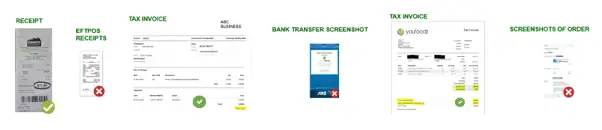
Can I be reimbursed if I pay for something myself first?

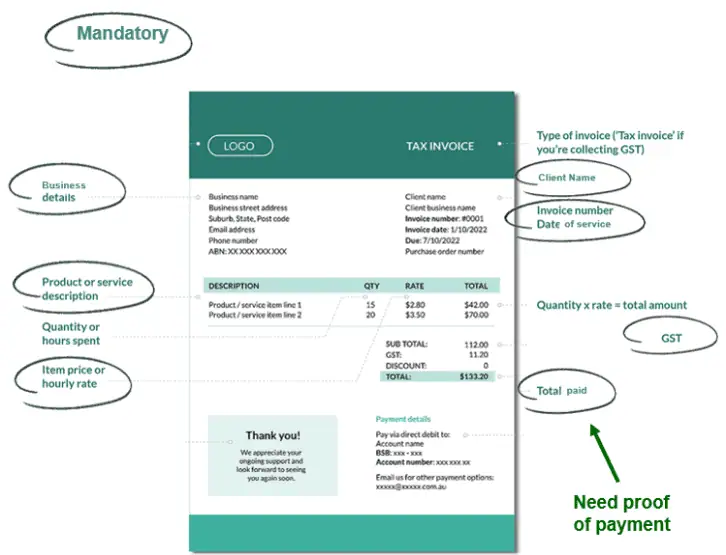
Yes, you can be reimbursed for personal purchases that have been pre-approved and included in your care plan and budget and are accompanied by a valid receipt.

Daily limits apply and larger purchases should be discussed with your Care Advisor.

Reimbursements cannot be used for regular carers or services who visit your home. These providers are required to register with Capital Guardians and provide their compliance documents.

If you visit an Allied Health provider in their clinic, you can use a reimbursement account, however, if they visit you in your home, they will need to register in Capital Guardians and upload their compliance documents.

To request a reimbursement account, follow this link: Reimbursement Account Request Form

Once you receive a confirmation email, you can claim a reimbursement by following the below steps:

  1. Log in to our financial platform called Capital Guardians.
  2. Select the INVOICE tile.
  3. Enter the amount claimed, description, date and attach the receipt.

Acceptable reimbursement receipts

Reimbursement Rules

  • Must have an external business generated receipt.
  • Must be in the client’s NDIS Plan or Care Plan.
  • A word document is not a receipt.
  • The date of the invoice must be within the period the client is managed (NDIS plan or home care agreement dates).
  • The item must be an allowable item.
  • Must be in the client’s name. (e.g. a Groupon voucher for a massage is not acceptable, it is not provided by an accredited allied health professional and it could be given as a gift to someone else.)
  • Cannot have already been part paid by another government scheme, such as, Medicare or private health insurance.
  • Allow only a max of 70% for prepared meals.
Reimbursement rules

Examples (tick = yes, cross = no)

Reimbursement rules continued

What support is there for hoarding or squalid living conditions?

Hoarding living conditions

Support at Home participants living with hoarding behaviour or in a squalid environment who are at risk of homelessness or unable to receive the aged care supports they need, can access ‘hoarding and squalor services’ through the Commonwealth Home Support Program (CHSP). This is in addition to their Support at Home funding and will require a reassessment application to be made to My Aged Care.

Medical and nursing items

What nursing care consumables are covered?

Nursing care consumables

The service list places “nursing care consumables” within Clinical supports such as nursing care and clinical nursing activities like medication administration, wound care, continence management (clinical), and skin integrity management. It can also include specialised items that are specific to the client and linked to a clinical need, such as prescribed skin emollients or oxygen consumables. These items must be supported by a clinician-led treatment plan, recorded in the care plan and budget, and reviewed regularly.

It also clarifies the difference between everyday consumables and specialised consumables:

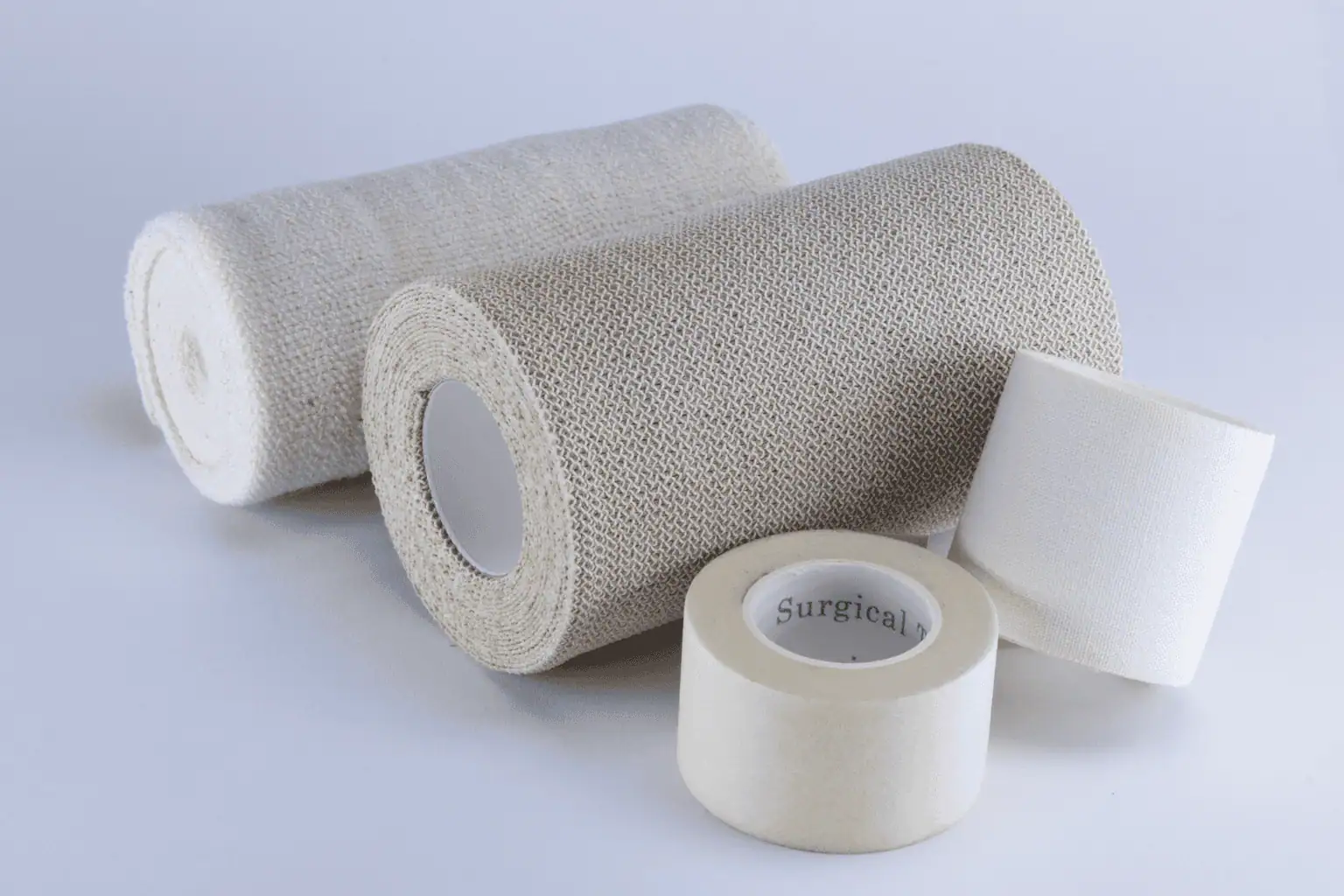
Everyday nursing consumables (for example, bandages and antiseptics) are expected to be included in the nursing hourly price.

The nursing consumables service is for specialised nursing products specific to an individual, that a nurse would not be expected to carry as everyday stock (example given: prescribed skin emollients for skin integrity and disposable continence aids).

If your Notice of Decision includes nursing care consumables, to ensure items meet your assessed needs and are included in your care plan and budget, a Local Guardians nurse (or another relevant clinician) will work with you to confirm and document the clinical need, goal, and appropriate product selection in your care plan, and this will be reviewed regularly.

How are falls alarms and monitoring subscriptions managed?

Senior falling in house

Are falls alarms allowed under Support at Home?

Yes. A falls alarm can be funded when it is needed for your safety and is included in your support plan.

What do I need to get one?

You will need:

  • An assessment showing you need the alarm, and
  • A prescription from a qualified health professional.

Do I pay for it from my regular (quarterly) budget?

No. Falls alarms come from a separate assistive technology funding pool, not your regular quarterly services budget.

What about monitoring or subscription fees?

Some alarms have an ongoing monitoring fee (sometimes called a subscription). This is paid out of the Assistive Technology funds, not the quarterly budget.

If there is a fee, it must be clearly written into your service agreement and budget, and agreed with you before it starts.

Do I have to contribute to the cost?

You may need to pay a contribution towards the cost of the alarm. The amount depends on your financial assessment and is worked out by Services Australia.

You do not pay contributions for the clinical assessment or prescription.

Why do I need an ongoing falls assessment to keep my monitoring subscription?

If your falls alarm includes an ongoing monitoring subscription under Support at Home, Local Guardians may ask for an updated falls risk assessment before approving or renewing the subscription. This is to confirm that the alarm is still the most suitable option for you based on your assessed needs and wellbeing, and that it continues to meet the Support at Home funding requirements.

These reviews are usually completed as part of your regular care planning process, or sooner if your circumstances change, such as after a fall, hospital admission, change in mobility, change in cognition, or change in your informal supports.

If an updated assessment is needed, your Care Advisor will discuss this with you and guide you through the process.

If I have unspent Home Care Package (HCP) funds, is it different?

Yes. If you have unspent Home Care Package (HCP) funds, those funds are used first to pay for the alarm (and any agreed ongoing fees) before any new assistive technology funding is used.

What fees can the provider charge?

Local Guardians applies 10% on the assessment/prescription invoice – with a maximum of $500.

Smartwatches with fall detection

A smartwatch is not always funded. It may only be considered if it is clearly needed for safety and is approved in your support plan. Ongoing mobile plans or data fees are usually not covered unless they are part of an approved safety service.

Transport and Cabcharge

Using Cabcharge for transport

Cab in Melbourne City

A Cabcharge card is a type of payment card that can be used to pay for taxi and other transport services in Australia. It works like a regular credit card, but it’s designed specifically for paying for transportation services.

When you use a Cabcharge card, the cost of your taxi or other transport service is charged directly to the card. You don’t need to pay the driver directly, and you don’t need to worry about carrying cash.

Cabcharge cards also come with additional features, such as the ability to track your travel expenses or to limit the types of transport services that can be charged to the card.

Spending on a Cabcharge Card must be payable by the Support at Home funding, it can only be used by and benefit the Support at Home recipient. It can be used in the absence of family or friends being able to transport the client to things like medical appointments or community access.

All expenditure must be within budget, any additional use of the Cabcharge card is to be borne personally.

Follow this link to order a Cabcharge.

Can I use my Cabcharge card together with the half price taxi scheme?

No, you cannot use both the Cabcharge card and the half-price taxi scheme at the same time. Both schemes are government initiatives and as such, you are only allowed to use one at a time.

The half-price taxi scheme offers eligible passengers a 50% discount on taxi fares and is only available in certain states or territories in Australia. It’s important to check with your local transport authority for more information on how to use the scheme in your area and to comply with the rules and regulations of each scheme separately.

How do I cancel my Cabcharge card?

To cancel a card instantly, follow this LINK, enter your contact details and where it asks for “Card number”, enter the card name (unless you have the number). There is a Cabcharge contact centre to also cancel a card: 1800 652 229.

Alternatively, if you are a client of Local Guardians we can cancel a Cabcharge Card for you. Click here to report it for cancellation.

Assistive technology and home modifications

What is the AT-HM pathway and how does it work?

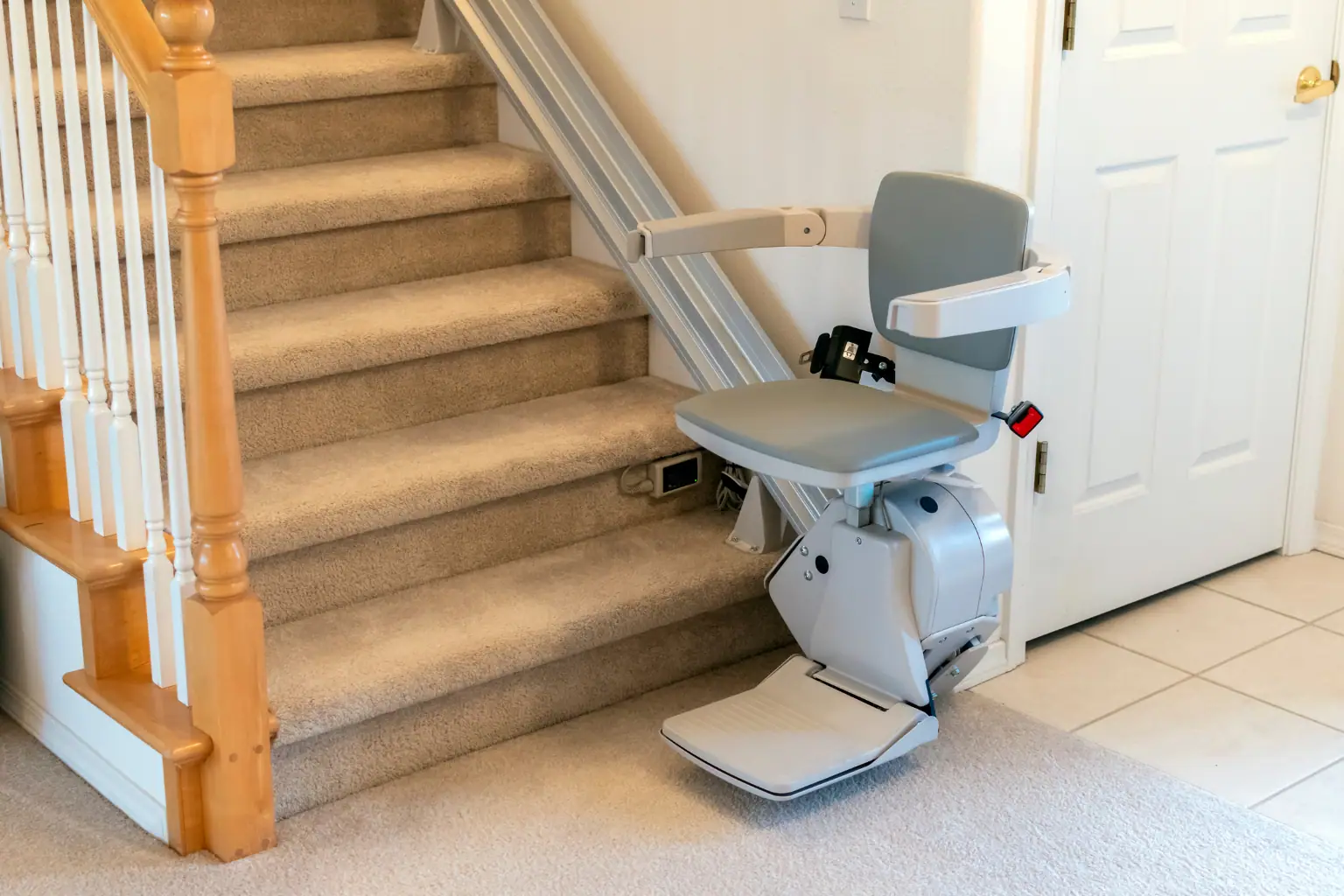
Equipment setup on stairs

Assistive Technology and Home Modifications (AT-HM) is a short-term pathway under the Support at Home program that provides separate funds for assistive technology and home modifications, so approved participants do not need to save from their quarterly Support at Home budgets.

What AT-HM can fund (high-level)

  • Assistive technology (AT) items and equipment that support independence (examples include mobility aids, bathing equipment, and cognitive supports).
  • Home modification (HM) items and associated services such as installation, planning, building and trade services, and council fees, where relevant.
  • Prescription and wraparound services by suitably qualified health professionals (where required).
  • Repairs and maintenance for eligible assistive technology purchased through the AT-HM scheme, where listed as included on the AT-HM list.

Participant contributions (who pays what?)

Items and services funded through AT-HM may attract participant contributions, depending on the category.

  • AT products/equipment and HM items and associated services attract a contribution rate equivalent to the ‘independence’ category.
  • Prescription and wraparound services fall under ‘clinical supports’ and have no participant contribution (fully funded by the government for all Support at Home participants).

Funding tiers (caps and standard access periods)

The table below summarises AT-HM funding tiers, caps and standard access periods.

Support Type Tier Funding Cap Access Period
Assistive technology (AT) Low Up to $500 12 months
Assistive technology (AT) Medium Up to $2,000 12 months
Assistive technology (AT) High Up to $15,000+ (more may be approved) 12 months (usually)
Home Modifications (HM) Low Under $500 12 months
Home Modifications (HM) Medium Up to $2,000 12 months
Home Modifications (HM) High Up to $15,000 cap 12 months (may be extended to 24 months)

Notes:

  • AT high tier: costs above $15,000 may be claimed with evidence (AT high tier over $15,000 process).
  • AT progressive conditions: may have a 24-month funding period and may be extended to 48 months if required.
  • HM high tier: capped at $15,000 per lifetime; the funding period may be extended by 12 months (24 months total) for complex modifications if evidence of progress is provided.

What providers can charge (caps apply)

Charge Type What it Covers Cap (Maximum)
AT administration fee AT-specific administration activities not covered by care management (e.g., sourcing/ordering, quotes, paying suppliers, coordinating delivery, arranging wraparound services). 10% of the cost of the item or bundle, or $500 (whichever is lower)
HM coordination fee Coordination and project management activities for home modifications (e.g., managing quotes/invoices, scheduling works, permits, delivery/installation, organising wraparound services). 15% of the total quoted HM cost, or $1,500 (whichever is lower).

Funding tiers and time limits (key points)

  • AT and HM funding are allocated separately, based on assessed need.
  • Funding tier amounts are not accrued and are allocated for a fixed period, generally 12 months.
  • Funding must be spent (not just committed) within the allocation period. After the period ends, providers have an additional 60 days to finalise claims; after that, funds are no longer accessible.

What does the ‘$15,000’ mean?

  • Assistive technology (AT) high tier: Shown as $15,000+ in the guidelines, and the $15,000 cap is described as a nominal amount. Additional funds may be accessed through the ‘AT high tier over $15,000’ process where required.
  • Home modifications (HM) high tier: Funding is capped at $15,000 per lifetime. Any unspent amount can be accessed in a later HM high-tier allocation (following assessment).

Documentation and pricing rules (important)

  • Providers must create an itemised individualised budget in consultation with the older person, including AT/HM costs, participant contributions, and any admin/coordination costs.
  • The amount charged to a participant’s funding cannot exceed the invoiced cost of AT-HM items plus the documented costs for prescription, wraparound services, and provider administration/coordination charges.
  • All AT-HM costs (including participant contributions) must be agreed and documented. If a price changes, the provider must obtain consent and record agreement in writing.

How AT-HM is accessed

  • AT-HM approval requires an aged care assessment and a funding tier classification for AT and/or HM.
  • The provider documents needs, goals and preferences in the care plan and builds the individualised budget.
  • For home modifications, providers must ensure written consent from the homeowner (where applicable) and include quotes with sufficient scope and costs.

Do I need an Occupational Therapist assessment before buying equipment?

Yes, an occupational therapist can assess your needs, abilities, and living environment to recommend appropriate aids and equipment that are tailored to your individual requirements.

They will provide instructions on how to use the equipment safely and effectively and help you integrate it into your daily life, which can increase your independence, safety, and quality of life at home. It’s important to note that using the wrong aids or equipment can lead to injury or exacerbate an existing condition.

In some cases, a physiotherapist or registered nurse may also be able to make recommendations for certain equipment, depending on the complexity of the situation.

Can I buy second hand equipment using my funding?

Second-hand equipment can be purchased using Support at Home funding, but additional considerations apply to ensure safety, suitability, and proper documentation.

  • Servicing Costs: Second-hand items may require servicing, which adds extra costs not applicable to new items.
  • Repair & Parts Availability: The item must be serviceable and have accessible parts locally; otherwise, it cannot be purchased.
  • OT Assessment: An occupational therapist (OT) must assess and trial the item for suitability and safety, including providing photos.
  • Approval Process: The cost of servicing must be included in the Allowable Query Form.
  • Payment Requirements: Cash payments are not accepted. Payment must be made via bank transfer for proper documentation.
  • Invoice Details: A receipt must include the date, seller and buyer details, address, equipment make/model/age, full payment amount made, and confirmation of a nil balance.

Can we claim hired equipment from a client’s ongoing quarterly Support at Home budget?

No. Assistive technology equipment must be claimed through the client’s Assistive Technology and Home Modifications scheme funding, not from their ongoing quarterly funds.

What if the participant does not have AT-HM funding approved?

If the client needs to hire equipment and does not have sufficient AT-HM funding, a Funding Application Form and documents providing evidence of need can be completed and submitted to My Aged Care. The Department states that if the AT-HM funding tier is insufficient, providers can request a Support Plan Review with evidence to increase the funding tier.

What code should be used on the invoice?

Use the Services Australia claiming code that matches the type of equipment, not a separate “hire” code.

Equipment being hired Services Australia claiming code – to be on the invoice
Mobility item, such as wheelchair, walker, shower chair, bed pole, transfer aid SERV-0063 Mobility products
Continence, toileting, showering, dressing or personal care equipment SERV-0062 Self-care products
Domestic/adaptive household item SERV-0064 Domestic life products
Communication, alerting, tracking or information management device SERV-0065 Communication and information management products
Product supporting body functions, such as pressure care, positioning, respiratory or body support items SERV-0061 Managing body functions
Clinician prescription, assessment or set-up support for AT SERV-0066 Assistive technology prescription and clinical support

How long does equipment approval take?

Equipment Approval Timeframes

Approval time is after all supporting documentation has been submitted (including care plan and budget).

Equipment Type Supporting Documentation Required? Who Can Make a Recommendation Additional Information Approval Time
MOBILITY & DEXTERITY
  • Adaptive crockery & cutlery
  • Car handy bar
  • Easy turn taps
  • Falls alarm/watch
  • Head protection
  • Reaching appliances
No 1–2 business days
  • Bed sensor
  • Chair sensor
  • Crash mat
  • GPS tracker
  • Limb – Support Brace
  • Limb – Protectors
  • Sheepskin
  • Slide sheet
  • Traymobile
Yes
  • Occupational Therapist
  • Physiotherapist
  • Registered Nurse
1–2 business days
  • Crutches
  • *Exercise pedals
  • *Tens
  • **Heat pack
Yes
  • Physiotherapist
  • Exercise Physiologist

*The equipment is expected to form part of an individually prescribed and monitored exercise/pain management program.

**No wheat packs.

Health professional to be working within scope of practice.

1–2 business days
  • Air assisted lifters
  • *Bed pole/Bed stick
  • Bed bars, head and foot panels
  • Electric recliner
  • Manual recliner
  • Electric adjustable bed
  • Mattress / Mattress topper
  • Walking stick
  • Wheelchair – manual
  • Slide board
  • Wheeled walker
  • Walk belt / Pelican belt
Yes
  • Occupational Therapist
  • Physiotherapist

*Restrictive practices waiver.

Health professional to be working within scope of practice.

Mattress to be confirmed for pressure relieving needs. Usually single or king single size.

1–2 business days
Mechanical car lifter for wheelchair Yes Occupational Therapist

Car registration, car insurance, drivers licence.

Health professional to be working within scope of practice.

5 business days
  • *Mobility scooter
  • Mechanical device for lifting
  • Wheelchair – electric
Yes
  • Occupational Therapist
  • Physiotherapist

*GP/OT clearance for suitability to utilise mobility scooter. Suitable training to be provided.

OT assessment and trial report for the specific scooter model. GP Medical Questionnaire required to confirm cognitive and health capacity to manoeuvre the scooter safely. Any accessories need to be recommended by OT.

Health professional to be working within scope of practice.

5 business days
  • *Bed rails
  • Pressure relieving cushion
  • Pressure relieving mattress
  • Air mattress
  • Pressure relieving overlay for bed
  • Recliner chair
  • Hip protectors
Yes
  • Occupational Therapist
  • Physiotherapist
  • Registered Nurse
  • Podiatrist
*Restrictive practices waiver. 1–2 business days
  • Custom made shoes
  • Medical grade footwear
  • Foot orthotics
  • Heel & ankle supports
Yes
  • Physiotherapist
  • Podiatrist

No off-the-shelf footwear.

Health professional to be working within scope of practice.

1–2 business days
PERSONAL CARE / ASSISTANCE
Blood Pressure Monitor Yes
  • Registered Nurse
  • General Practitioner
Only if there is no other source of funding. 1–2 business days
  • Bottom wiper
  • Button hook
  • Jar openers
  • Long handled sponges
  • Long handled dustpan
  • Sock aids
  • Large print calendar
  • Orientation Clock/Calendar
  • Orientation signs
  • Pill dispenser
  • Gloves (PPE)
  • Medication reminders
No
  • Bathboard, bench or seat
  • Shower chair/stool
  • Commode chair
  • Mobile shower toilet commode
  • Shower Chair – standard/customised
  • Toilet raise
  • Toilet – coloured seat
  • Pressure care toileting equipment
Yes Occupational Therapist Health professional to be working within scope of practice. 1–2 business days
  • CPAP Machine
  • Nebuliser
Yes Respiratory Clinic Specialist to be working within scope of practice. 1–2 business days
Oxygen Therapy Yes
  • General Practitioner
  • Respiratory Clinic
1–2 business days
Continence aids Yes
  • Registered Nurse
  • General Practitioner
  • Continence Nurse
Generally funded by CAPS – HCP fund once CAPS exhausted. 1–2 business days
Compression aids (garments and application aids) Yes
  • Occupational Therapist
  • Physiotherapist
  • Registered Nurse
  • General Practitioner
  • Podiatrist
Health professional to be working within scope of practice. 1–2 business days
Vascular Compression Pump (for a diagnosis of lymphoedema) Yes
  • Occupational Therapist
  • Physiotherapist
  • Registered Nurse

*RN’s, physio’s and OT’s must hold appropriate post graduate qualifications in lymphoedema treatment.

Only if there is no other source of funding.

Lymphoedema compression garment schemes

Lymphoedema must be negatively impacting their aging processing, eg increased falls, reduced range of movement.

1–2 business days
Bluetooth hearing aid connection Yes Audiologist 1–2 business days
Washing machine Yes Continence Nurse Rarely approved – is a general household item. 1–2 business days
HOME MODIFICATIONS
  • Easy taps
  • Shower hose/extension
  • Non slip mats
No 1–2 business days
  • Hand rails – internal
  • *Hand rails – external
  • Grab rails
  • Ramps – fixed & portable
  • Fixed non-slip surfacing
Yes Occupational Therapist *Access points of residence. 1–2 business days
Sensor lighting 1–2 business days

Equipment how to guides

Equipment guides

Still have a question?

Talk to your local Care Advisor. Call the number for your state or email customer@localguardians.com